Emergency Dentist Care for Sudden Crown Pain
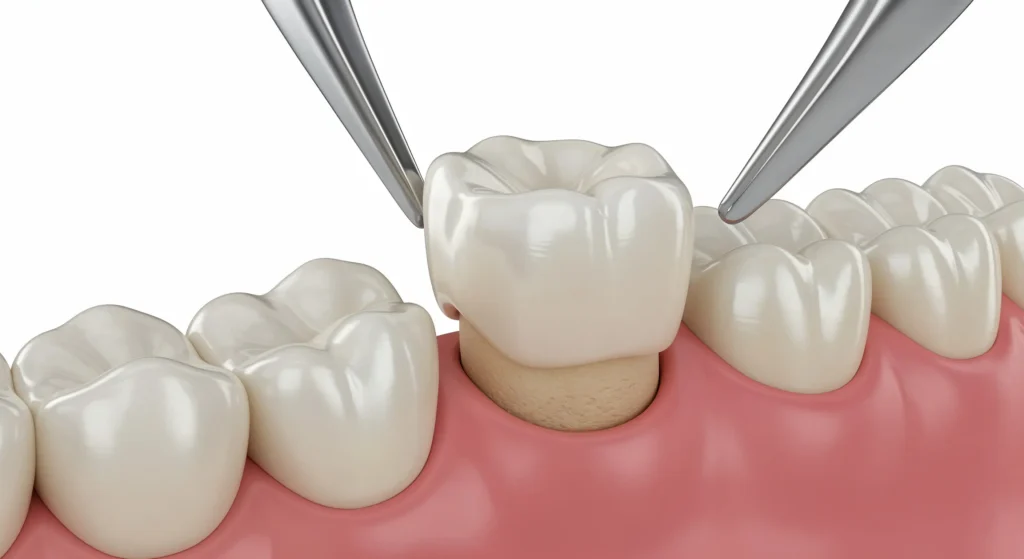

A dental crown is supposed to solve a problem, not create one. Most of the time it does. A well-made crown protects a weakened tooth, restores chewing strength, and can last for many years with little drama. That is why sudden pain in a crowned tooth catches people off guard. They had the work done, the tooth was “fixed,” and now it hurts enough to keep them awake or make them avoid chewing on one side.
When crown pain appears quickly, it is easy to underestimate it for a day or two. Many people assume something is simply irritated and will settle down on its own. Sometimes that happens. Quite often, though, sudden pain points to a specific problem that needs prompt attention, especially if the pain is sharp, throbbing, triggered by biting, or accompanied by swelling. This is where an Emergency Dentist can make a real difference, not only by relieving pain, but by protecting the tooth from further damage.
Crown pain is not one single condition. It is a symptom with a surprisingly wide range of causes, from a simple bite adjustment to a cracked tooth or deep infection. The right response depends on what is happening underneath and around the crown.
Why crowned teeth can start hurting without warning
Patients often describe this as pain that “came out of nowhere,” but crowned teeth usually give trouble for a reason. The crown itself may be intact while the tooth underneath is inflamed. In other cases, the crown may have loosened slightly, creating space for bacteria to enter. Sometimes the issue has nothing to do with decay at all, and everything to do with pressure from a bite that is just a little too high.
The tooth under a crown is still a living structure unless it has had root canal treatment. It contains dentin, nerves, blood supply, and surrounding ligament tissue that reacts to force and infection. Even a beautifully fitted crown cannot make the tooth invulnerable. If the underlying tooth cracks, the gum around it becomes inflamed, or the nerve becomes irritated, pain can appear fast.
I have seen patients come in convinced the crown “failed,” only to find that a popcorn kernel had become packed at the edge of the crown and inflamed the gum badly enough to mimic a more serious problem. I have also seen the reverse, a patient with mild intermittent discomfort who turned out to have a vertical crack extending below the gumline. Crown pain deserves respect because the obvious explanation is not always the right one.
The kinds of pain that matter most
The character of the pain offers useful clues. Dentists listen carefully when a patient describes whether the pain is triggered by temperature, pressure, sweets, or nothing at all. Timing matters too. Pain that lingers after cold, for example, raises different concerns than pain only when biting down.
Sharp pain on biting often suggests a crack, a high spot on the crown, or inflammation in the ligament that holds the tooth in place. Throbbing pain, especially if it wakes you at night, can point toward pulpal inflammation or infection. A bad taste, swelling, or tenderness in the gum near the crowned tooth raises concern for an abscess or trapped debris. Sensitivity to cold that lasts only a second may be minor. Sensitivity that lingers for 20 to 30 seconds or more is more significant.
One especially telling complaint is this: “It hurts when I bite, but even more when I release.” Dentists hear that with cracked teeth often enough that it always gets attention. Another red flag is a crown that feels “tall” or “off” after recent placement. It does not take much extra height to make a tooth feel bruised and painful after a day of chewing.
When it becomes an emergency
Not every painful crown requires midnight treatment, but some situations should move quickly to the top of the list. Severe swelling, fever, trouble swallowing, or difficulty opening the mouth normally can signal infection spreading into deeper spaces. That is no longer just a dental inconvenience. It may require urgent dental care the same day, and in some cases medical evaluation as well.
Pain that becomes intense over a few hours, especially if paired with facial swelling, should not be watched casually. The same is true for a crown that has come off and left a heavily broken or very sensitive tooth exposed. A dislodged crown is not always agonizing, but the tooth underneath can be vulnerable to fracture, movement, and contamination.
An Emergency Dentist usually prioritizes the following scenarios because delay can worsen the outcome:
- Significant swelling of the gum, cheek, or jaw near the crowned tooth.
- Severe pain that is not controlled with standard over the counter medication.
- A crown that has fallen off and leaves the tooth fractured or extremely sensitive.
- Pain with a pimple-like bump on the gum, foul taste, or drainage.
- Pain after trauma, such as biting something hard or taking a hit to the face.
These are not the only reasons to seek urgent care, but they are the ones that most often need same-day assessment.
The most common causes behind sudden crown pain
A bite that is slightly too high
This is more common than many people realize, especially soon after a new crown is cemented. Even a small discrepancy can overload the tooth every time the jaws come together. The periodontal ligament, which acts like a tiny shock absorber around the root, becomes inflamed. Patients often say the tooth feels sore, elevated, or sensitive when chewing.
The fix can be straightforward. A dentist checks the bite marks, confirms where the tooth is hitting too heavily, and adjusts the crown. When this is the true cause, relief can be surprisingly fast, though the ligament may remain tender for a few days.
Decay at the margin
Crowns do not stop cavities from forming where the crown meets natural tooth structure. If plaque collects at the edge, or if the margin was never ideal, bacteria can get underneath. This can lead to sensitivity, pain, or recurrent decay severe enough to infect the nerve.
This problem tends to be more common in older crowns, but it can happen sooner in patients with dry mouth, heavy sugar intake, acidic diets, or difficulty cleaning around the restoration. Sometimes the crown has to be removed and replaced after the decay is treated. Sometimes the tooth needs more extensive work.
A loose or leaking crown
Cement can break down over time. Once a crown begins to loosen, even microscopically, fluid and bacteria can seep beneath it. Patients may notice a strange smell, pressure when biting, or pain with sweets and temperature changes. A crown can feel stable and still have leakage underneath, which is why home judgment has limits here.
If the crown is still structurally sound and the tooth beneath is healthy, recementation may be possible. If decay or fracture is present, the treatment plan changes.
A cracked tooth under the crown
Crowns are often placed on teeth that were already weakened by large fillings, root canal access, or previous fractures. The crown helps, but it cannot reverse hidden cracks in the root or deep tooth structure. Biting on a hard seed, ice, or crusty bread can be enough to turn a small crack into a painful one.
This is one of the hardest causes to diagnose early because the crown hides much of the tooth. The symptoms can be vague at first, then suddenly obvious. Depending on the depth and direction of the crack, treatment may range from monitoring to root canal therapy to extraction.
Nerve inflammation or infection
A tooth may need a crown because it was heavily damaged, and that prior injury can have long-term consequences for the pulp. Sometimes a nerve becomes inflamed weeks, months, or even years after crown placement. Heat pain, throbbing, spontaneous pain, or tenderness to tapping are classic clues.
If the nerve is irreversibly inflamed or infected, root canal treatment may be needed through the crown, or after crown removal if access is poor. This surprises some patients, but it is not necessarily a sign the crown was done incorrectly. Teeth have biological limits, and some deteriorate over time despite careful treatment.
Gum problems that mimic tooth pain
Not all crown pain is actually tooth pain. Food impaction, inflamed gum tissue, or an infection around the gumline can make a crowned tooth feel sore and pressure-sensitive. A patient may report “my crown hurts,” while the real problem is an irritated gum pocket catching food every meal. This tends to happen when contact with the neighboring tooth is open or the contour of the crown traps debris.
That distinction matters because gum-related problems are treated very differently from nerve pain.
What to do before you are seen
When a crowned tooth suddenly starts hurting, the goal at home is not to fix it. The goal is to keep the situation stable, control pain safely, and avoid making it worse before professional evaluation.
Use this short checklist while arranging care with an Emergency Dentist:
- Rinse gently with warm salt water if the gum is sore or food may be trapped.
- Avoid chewing on that side, especially hard, sticky, or crunchy foods.
- Take over the counter pain medicine only as directed on the label, if you can safely use it.
- If the crown has come off, keep it clean and bring it with you.
- Call promptly if swelling, fever, or worsening pain develops.
A few cautions are worth stating plainly. Do not glue a crown back with household adhesive. Do not place aspirin directly on the gum, which can burn tissue. Do not keep testing the tooth by biting on it every half hour to see whether it still hurts. Patients do this more often than they admit, and it predictably makes inflamed teeth angrier.
If cold triggers severe pain, room temperature food and drink are usually easier for a day or so. If biting hurts, softer foods like yogurt, eggs, soup, or pasta can buy some time without provoking the area. Small adjustments in behavior can prevent a manageable problem from becoming a miserable one overnight.
What an Emergency Dentist looks for during the exam
Urgent dental visits for crown pain are usually focused and practical. The first task is to determine whether the source is the crown, the tooth, the gum, or the bite. That may sound obvious, but those four possibilities can feel very similar to a patient in the chair.
A careful exam often includes tapping on the tooth, checking bite pressure, testing temperature response, evaluating gum pockets, and taking one or more radiographs. Dentists also look at the margin of the crown, the condition of neighboring teeth, and whether the crown moves. If a crack is suspected, the evaluation becomes more nuanced. Cracks under crowns can be subtle and may not show clearly on standard X-rays.
Patients sometimes expect the dentist to know the cause the moment they point to the tooth. Real diagnosis is usually more methodical than that. The same symptom, such as pain on chewing, can come from an overly high crown, a split root, an abscess, or food packed under the gum. Good emergency care depends on narrowing the cause quickly, then choosing the least invasive treatment that will reliably help.
How crown pain is treated in urgent care
Treatment can be very simple, or it can be the first step in a larger plan. If the bite is high, the crown may just need adjustment. If the gum is inflamed from trapped food, cleaning the area and correcting the contact can bring relief. If the crown is loose but salvageable, recementation might be enough.
When deeper infection is involved, urgent care often focuses on controlling pain and stabilizing the tooth that day. That could involve opening the tooth for drainage, prescribing medication when clinically appropriate, or arranging root canal treatment quickly. Antibiotics are not a universal answer for dental pain. They help when bacterial infection with swelling or systemic involvement is present, but they do not fix a cracked tooth, a high bite, or inflamed nerve tissue by themselves.
Sometimes the most honest answer is that the crown https://maps.app.goo.gl/xbjvDFvMJ78BJKnj9 has to come off so the tooth can be assessed properly. Patients do not love hearing that, especially if the crown was expensive, but preserving a failing restoration at all costs can be false economy. If decay has spread under the margins or the tooth has fractured badly, replacing the crown may be unavoidable.
There are also cases where the tooth cannot be saved. Severe root fractures, extensive decay below the gumline, or advanced infection with poor remaining structure may leave extraction as the soundest option. An experienced Emergency Dentist will usually explain not just what can be done, but what is sensible given the long-term prognosis.
Why timing affects the outcome
Crown pain is one of those dental issues where a delay of a few days can materially change the treatment. A minor bite problem today can become severe ligament inflammation after a weekend of chewing. A loose crown with a small leak can progress to recurrent decay and pulpal infection if left for months. An early abscess can evolve into facial swelling at exactly the wrong time, usually late at night or before travel.
One case that stays with many dentists is the patient who “didn’t want to bother anyone” before a holiday weekend. What began as tenderness around a crowned molar turned into substantial swelling by the time they came in. The treatment was still straightforward, but it would have been far less painful and disruptive if addressed two days earlier.
That is the practical reason urgent dental advice tends to sound direct. It is not alarmism. It is pattern recognition.
Questions worth asking when you call
The first phone call matters more than people think. The clearer your description, the easier it is for the practice to judge urgency and reserve the right amount of time. Saying “my crown hurts” is a start, but a few extra details are much more useful.
When speaking with the office, try to include whether the crown is new or old, whether it feels loose, whether pain is triggered by biting or temperature, and whether there is any swelling. Mention recent dental work, root canal history, trauma, or a crown that has actually come off. If over the counter medication is not touching the pain, say so. Those details help an Emergency Dentist decide whether you need same-day evaluation, rapid follow-up, or immediate referral for a more serious infection.
This is also the moment to mention medical issues that affect treatment, such as blood thinners, diabetes, pregnancy, medication allergies, or a suppressed immune system. These do not automatically complicate care, but they can shape the safest plan.
Preventing a repeat episode
Not every painful crown can be prevented. Teeth crack unpredictably, biology is not always cooperative, and older dental work eventually reaches its limit. Still, many urgent crown visits follow patterns that are at least partly avoidable.
A crown does better when plaque is controlled at the margin, grinding is managed, and small changes are not ignored. Nighttime clenching, in particular, is hard on crowned molars. It can loosen cement, aggravate cracks, and make a recently placed crown feel perpetually tender. For patients who grind, a professionally fitted night guard is often more than a comfort item. It is a way to protect expensive restorative work from forces it was never meant to absorb night after night.
Routine dental visits matter here because early warning signs are often visible before pain starts. A margin beginning to open, a contact trapping food, or a bite that needs minor refinement can often be corrected before it becomes a weekend emergency.
The bottom line when a crown suddenly hurts
A painful crown is not something to diagnose from guesswork or internet shortcuts. The crown may be the problem, or it may simply be covering the real problem. That difference determines whether the answer is a brief adjustment, a recementation, root canal treatment, crown replacement, or removal of a tooth that can no longer be saved.
What matters most is responding early and sensibly. If the pain is new, significant, or accompanied by swelling, getting evaluated by an Emergency Dentist is the safest move. Fast care often means less pain, fewer complications, and a better chance of keeping the tooth. In dental emergencies, those advantages are rarely theoretical. They show up in the treatment you avoid as much as the treatment you receive.
Simple Dental South Gate
Address: 8617 California Ave, South Gate, CA 90280
Phone number: +13236896118
FAQ About Emergency Dentist Southgate CA
What can the ER do for a tooth?
The emergency room can provide temporary symptom relief for a bad tooth, such as prescribing pain medicine or antibiotics, but it cannot fix the actual dental problem.
What is the 3-3-3 rule for tooth infection?
The 3-3-3 rule for a toothache or infection typically means taking three 200 mg ibuprofen tablets (600 mg total) three times a day for no more than three days to control pain and swelling while waiting to see a dentist.
What do you do if you have a dental emergency but no dentist?
If you have a dental emergency and no regular dentist, you should search for an urgent care dental clinic, call local walk-in dental offices, or go to a hospital emergency room if you have severe bleeding, swelling, or trouble breathing.